Global CleanTech: Dubai Focus · Mon 26 Oct 2026
Geopolitics (Front page)
Dubai Positions Clean Energy and Climate Innovation at the Heart of Its Economic Transformation
Dubai's clean energy strategy and its World Energy Day messaging present clean power, innovation and the green economy as part of the emirate's economic plan, not a side project.
Chanan Zevin - Chief Editor and Head of Desks
Published
A strategy with five pillars
The Dubai Clean Energy Strategy aims to produce 100 per cent of the emirate's energy requirements from clean sources by 2050, according to the UAE government portal. The same text says the strategy aims to make Dubai a global centre of clean energy and the green economy. It rests on five pillars: infrastructure, legislation, funding, building capacities and skills, and an environment-friendly energy mix.
Infrastructure and money
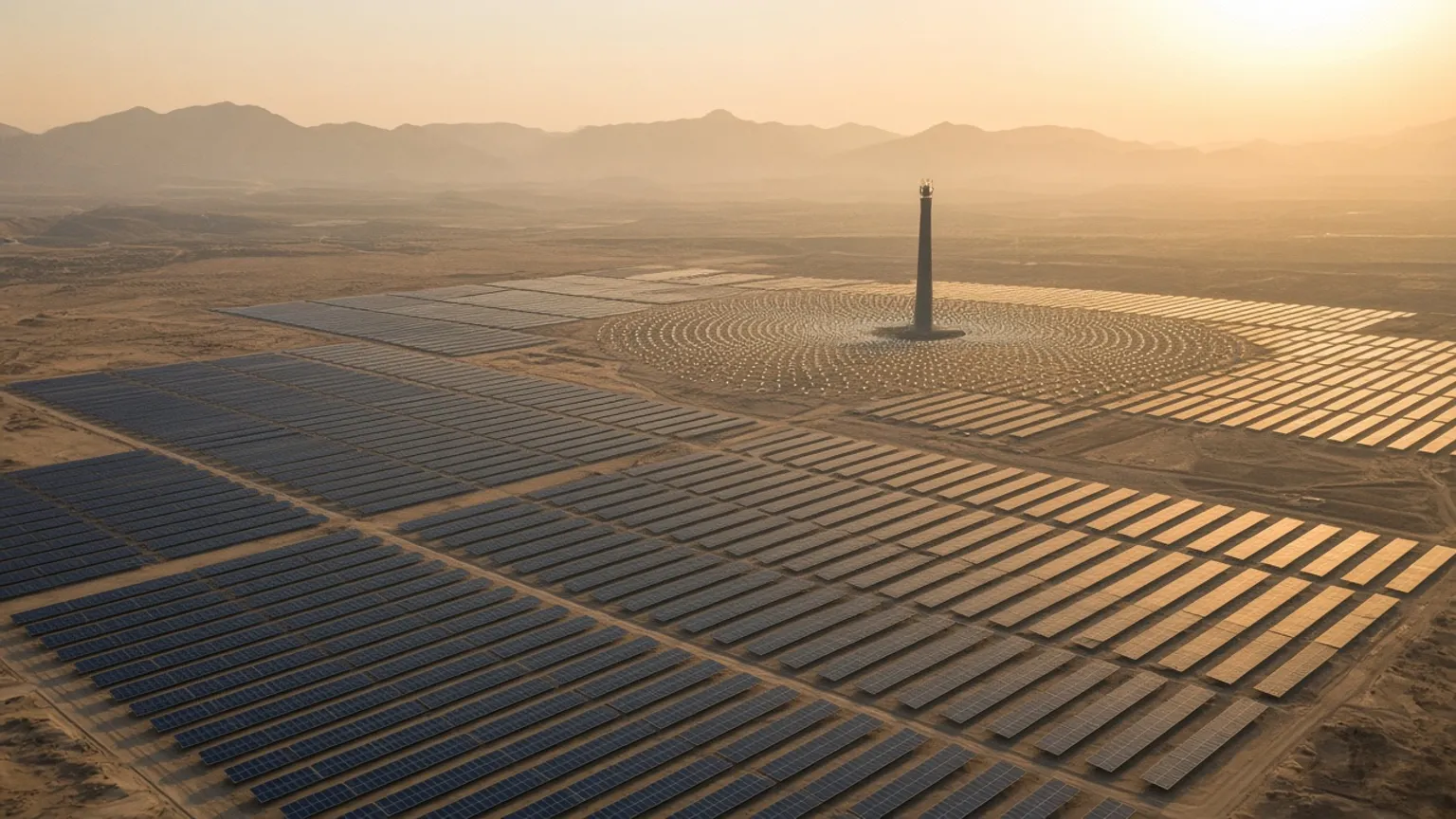
The infrastructure pillar is led by the Mohammed bin Rashid Al Maktoum Solar Park, which the portal describes as the largest single-site solar generator in the world, with a total investment of approximately AED 50 billion. The funding pillar includes the Dubai Green Fund, described as worth AED 100 billion, intended to offer easier loans at reduced interest rates to investors in the emirate's clean energy sector.
The World Energy Day message
Speaking for World Energy Day on 22 October, Saeed Mohammed Al Tayer, MD and CEO of the Dubai Electricity and Water Authority (DEWA), told the Emirates News Agency (WAM) that the day reflects the UAE's vision of balancing economic development with environmental protection. He said DEWA is building an integrated clean energy ecosystem based on innovation, artificial intelligence, smart grids and energy storage. WAM noted that World Energy Day originated from an initiative launched in Dubai in 2012.
From ideas to projects
Ahmed Buti Al Muhairbi, Secretary-General of the Dubai Supreme Council of Energy, told WAM that the next phase requires wider cooperation and a faster move from ideas and initiatives to tangible projects. That framing matters for this special edition. The policy targets are set. The test now is whether companies, financiers and customers turn them into deployed technology.
What this edition covers
The following desks look at the targets, the solar park, financing routes, programmes for start-ups, district cooling, hydrogen and accelerators. Each article is based only on the public sources cited at its foot. Some of those sources are older announcements, and they are labelled as such. Nothing here implies that these initiatives were announced today.